Introduction
Most of us carry stress in quiet ways. A tight jaw, shallow breathing, trouble sleeping. It builds without warning and sometimes stays longer than we expect. We may not always realize how much tension we're holding onto until something shifts and we feel lighter again.
As early spring rolls into Jersey City, the days begin to open up. The last bits of winter start to fade. This change in season is often when we think about starting fresh. Helping the body release some built-up tension can be a part of that. Many people are looking into sound healing in Jersey City as a way to soften emotional layers without forcing anything. Sound baths, with their gentle tones and slow pace, offer a simple place to begin that release.
What Is a Sound Bath and How Does It Work
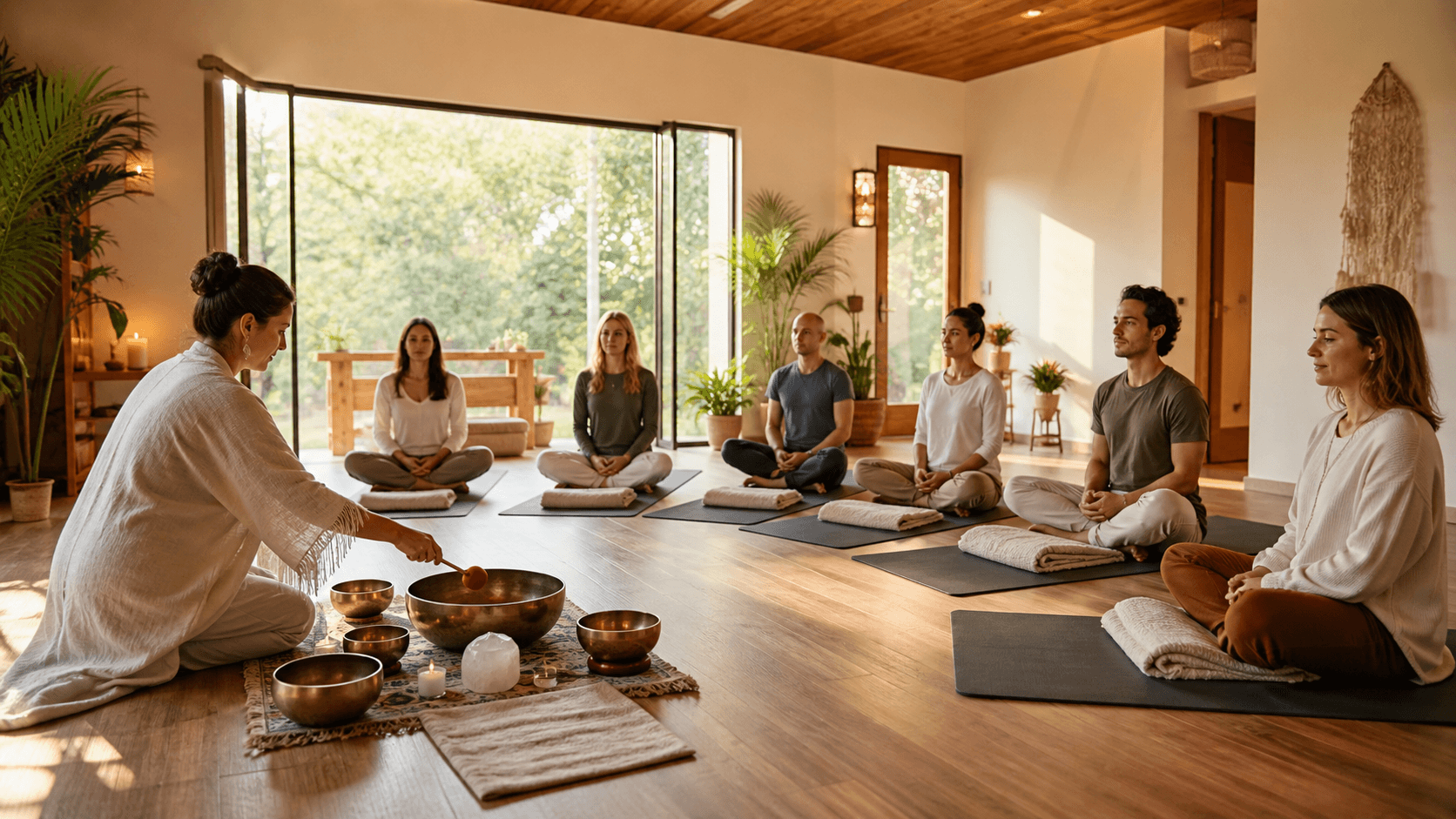
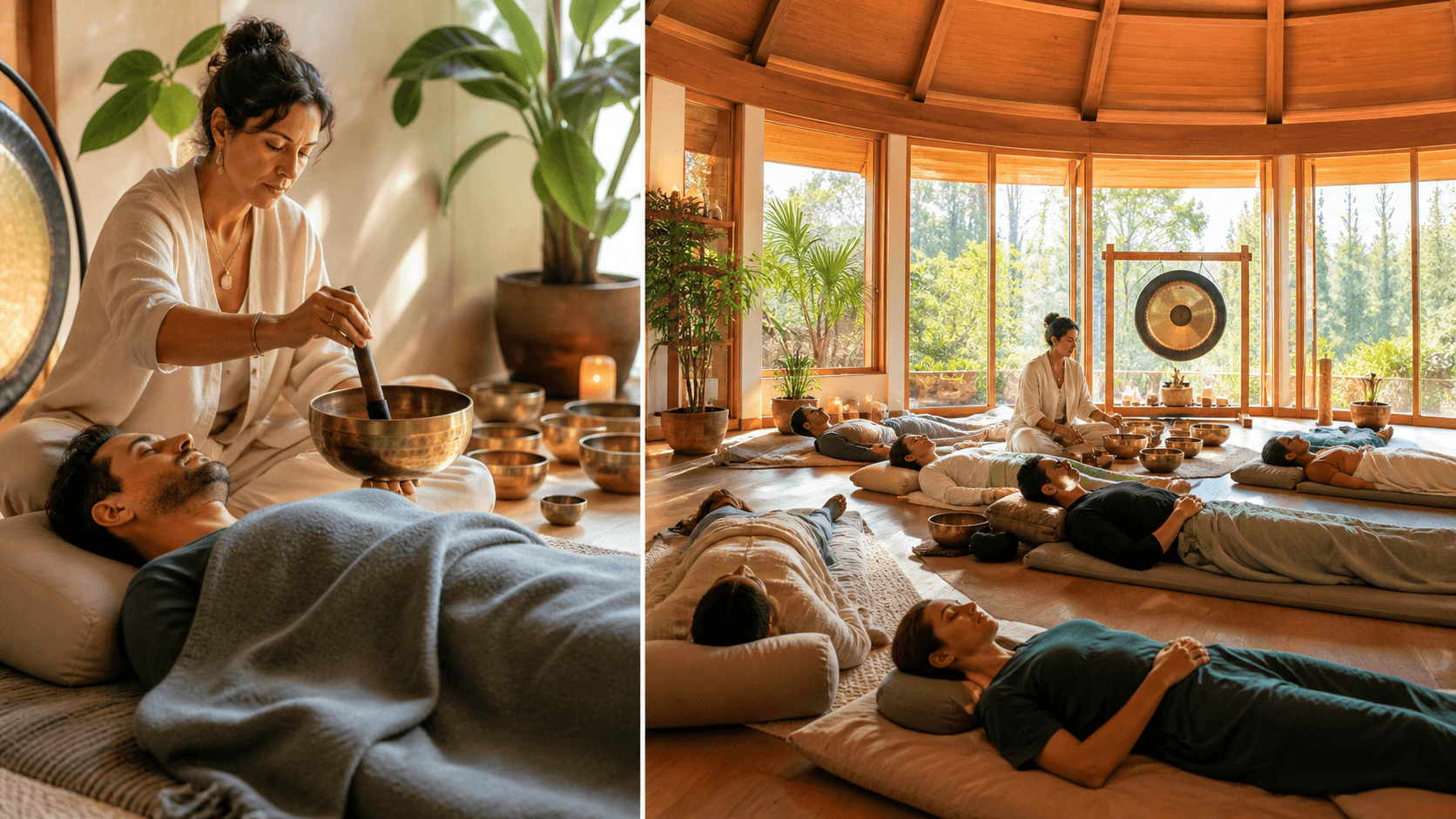
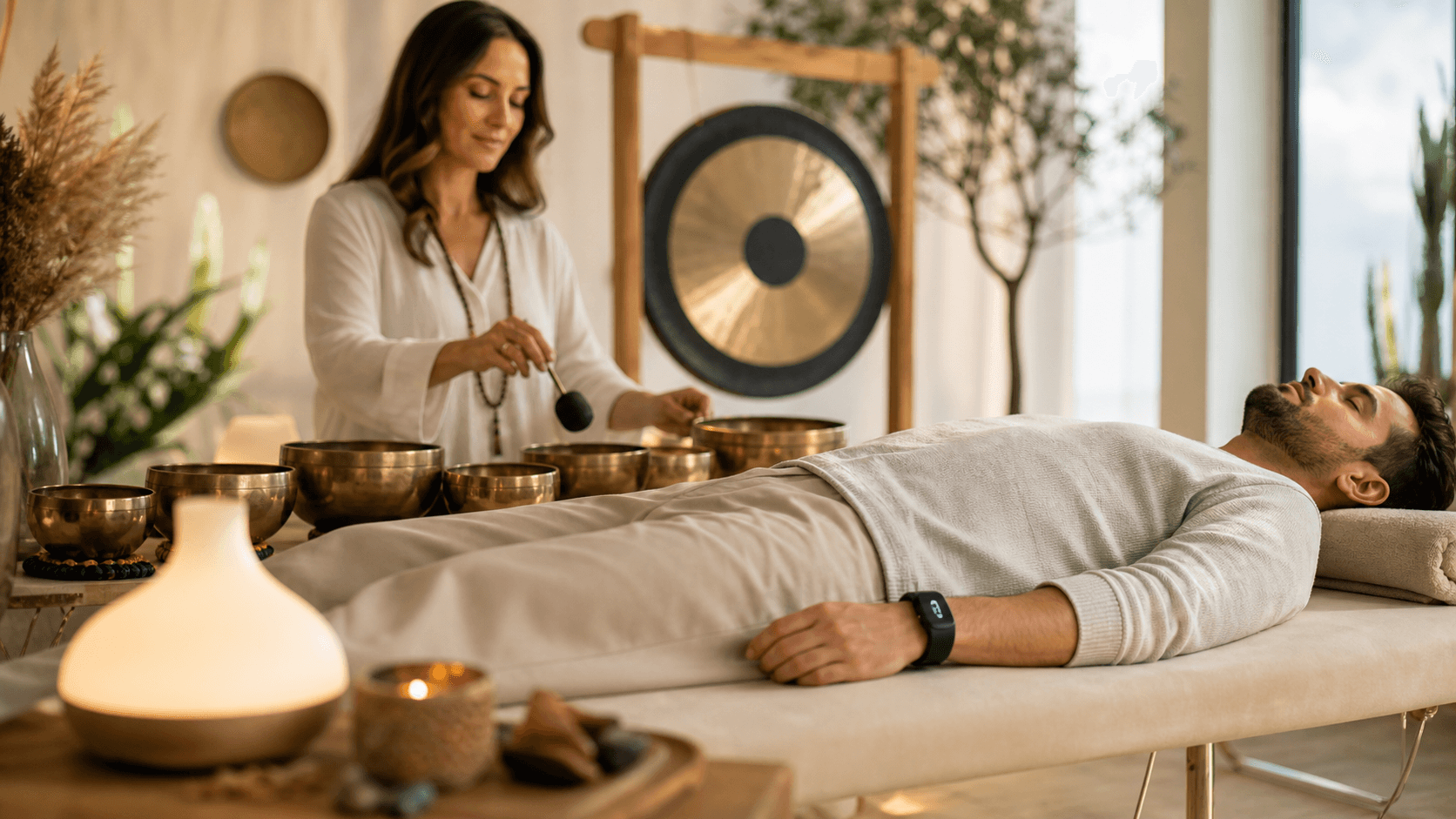
A sound bath doesn't involve water or movement. Instead, it invites you to rest. You lie back, close your eyes, and listen while calming sounds fill the space. These sounds often come from singing bowls, chimes, or other instruments designed to relax both body and mind.
The idea is simple. You stay still and let the sound do the work. Most sound baths take place in quiet rooms, often with soft lighting and comfortable mats or blankets. As the tones shift and vibrate around the space, they begin to work through your system. Your breathing slows. Muscles start to release. Thoughts become less loud.
These sessions may last 45 to 60 minutes, but the effects can continue after you leave. That is the power of resting on purpose. Without needing to explain anything or talk things through, you are giving your nervous system a chance to step back from everyday stress.
How Sound Affects the Nervous System
Sound is not just something we hear. It is something we feel. Low tones can vibrate gently through the body. Rhythmic patterns give the brain something steady to follow. Over time, this can help quiet the overthinking that often keeps us tense.
Here is what happens during a sound bath on the inside:
- Certain tones encourage slower brainwaves, similar to when we sleep but are still slightly aware
- The parasympathetic nervous system may activate, helping us relax instead of feeling on edge
- Over time, the body starts to link these sounds with safety and calm
When we hear the same softer tones again and again, the nervous system can pick up on that signal faster. The more often we give it space to rest, the easier it becomes to return to that relaxed state when life outside gets noisy again.
Why Emotional Tension Builds Up
Stress shows up in small ways long before we notice it. It can come from juggling schedules, holding strong for people we care about, or simply living through long winters like we do here in Jersey City. When March arrives, we are often still carrying some leftover weight from the colder months.
The season has a way of layering things quietly. For example:
- Less sunshine can affect mood and motivation
- Cold, damp weather might keep us indoors and disconnected
- Busy routines tend to leave little space for rest or reflection
All of this can settle in the body. We might feel tight across the shoulders, mentally foggy, or just tired in a way sleep does not fix. This is where sound baths can offer a different kind of rest. Not the kind that requires effort, but the kind that helps dissolve what is hiding deep underneath.
The Group Element: Healing Together
One of the things people often notice during group sound baths is that being surrounded by others who are resting too changes everything. There is no pressure to talk or make eye contact. Just being in the same room with other people releasing stress quietly can be surprisingly comforting.
When rest happens in a group, something shifts:
- It becomes easier to let go when we sense others doing the same
- The space holds a shared sense of safety without needing words
- It reminds us we are not the only ones carrying tension
Group settings also help people feel seen, even when they stay quiet the entire time. That shared quiet can bring just as much clarity as a long conversation, especially when emotions feel heavy or hard to explain.
Consistency Makes a Difference
The body likes habit. When we relax in the same way more than once, the brain starts recognizing the rhythm of that experience. Sound baths work in a similar way. The more someone returns to them, the faster the body can release tension.
Think of this kind of consistency like other soft practices:
- Stretching gets easier when done regularly
- Deep breathing becomes more natural with use
- Emotional release feels safer when it is not rushed
We do not have to understand every part of what we are feeling to start letting some of it go. Showing up and resting often, week by week or month by month, can offer a steady kind of relief. When energy builds back up, it happens from a grounded, rested place instead of running on empty.
Clearing Space for a Lighter Season
As winter finally starts to loosen its grip, early spring offers a clean edge of possibility. We open windows. Pack away heavy coats. It is a season that naturally invites lightness, both outside and in.
Sound baths can support that shift without rushing us. They create soft space for the things we have been carrying to be noticed, released, or simply rested. Stepping into spring means making room inside too. And sometimes the best way to begin is to slow down, breathe, and let sound carry the weight for a while.
Discover a steady way to ease stress this season with our group offerings. In Hudson County, many people have embraced gentle practices like sound baths to loosen tension and welcome calm. We have found that experiencing sound healing in Jersey City in a serene space can bring one of the deepest kinds of rest. At TSM Healing Center, we hold space for that quiet release to unfold naturally, so reach out to learn how to get started.