Find Calm by Listening with Your Whole Attention
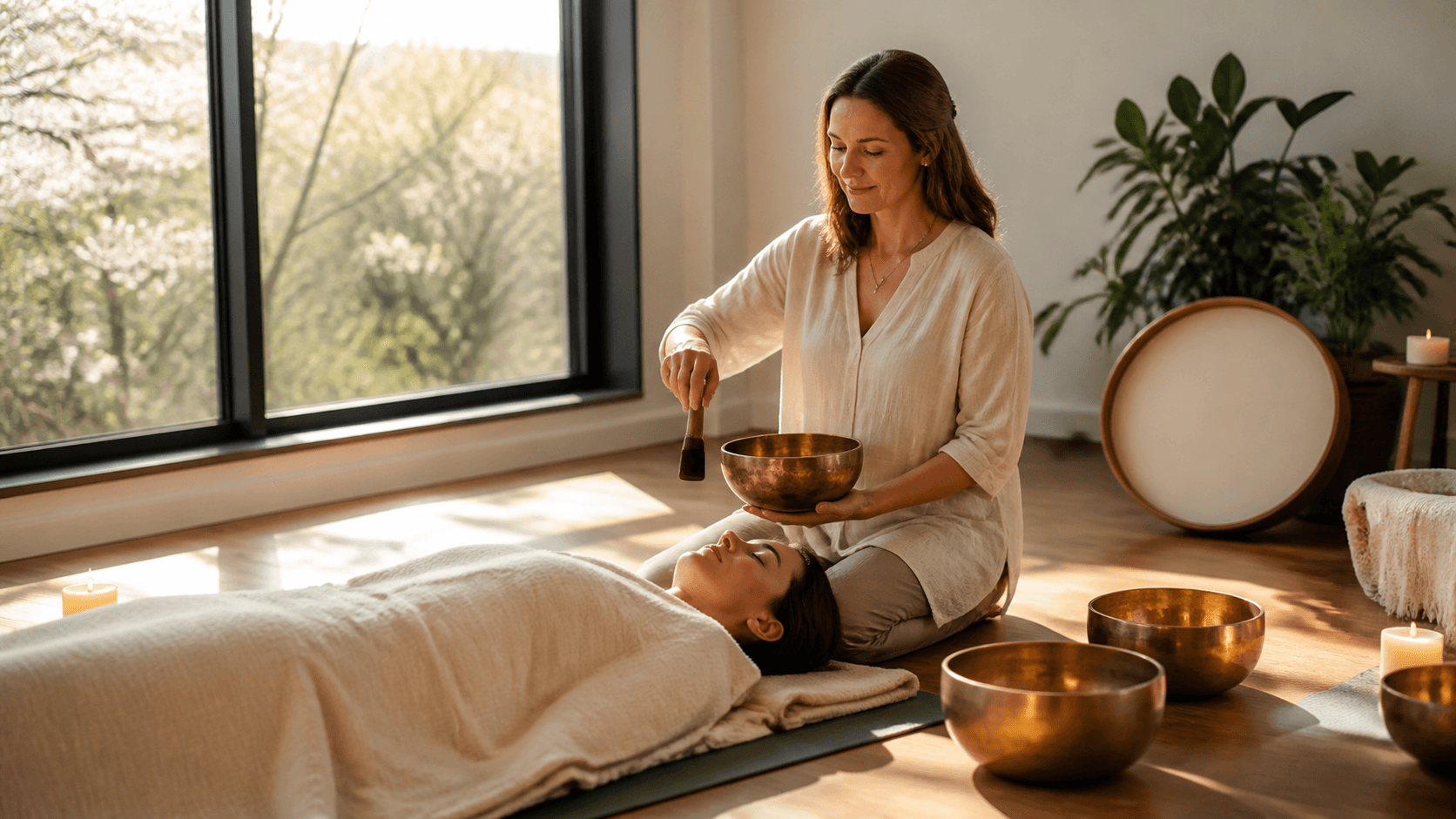
Sound healing gives you a chance to do more than hear calming tones in the background. It invites you to listen on purpose, one moment at a time. At TSM Healing Center, we see active listening as a simple way to settle into the present and make space for your own experience.
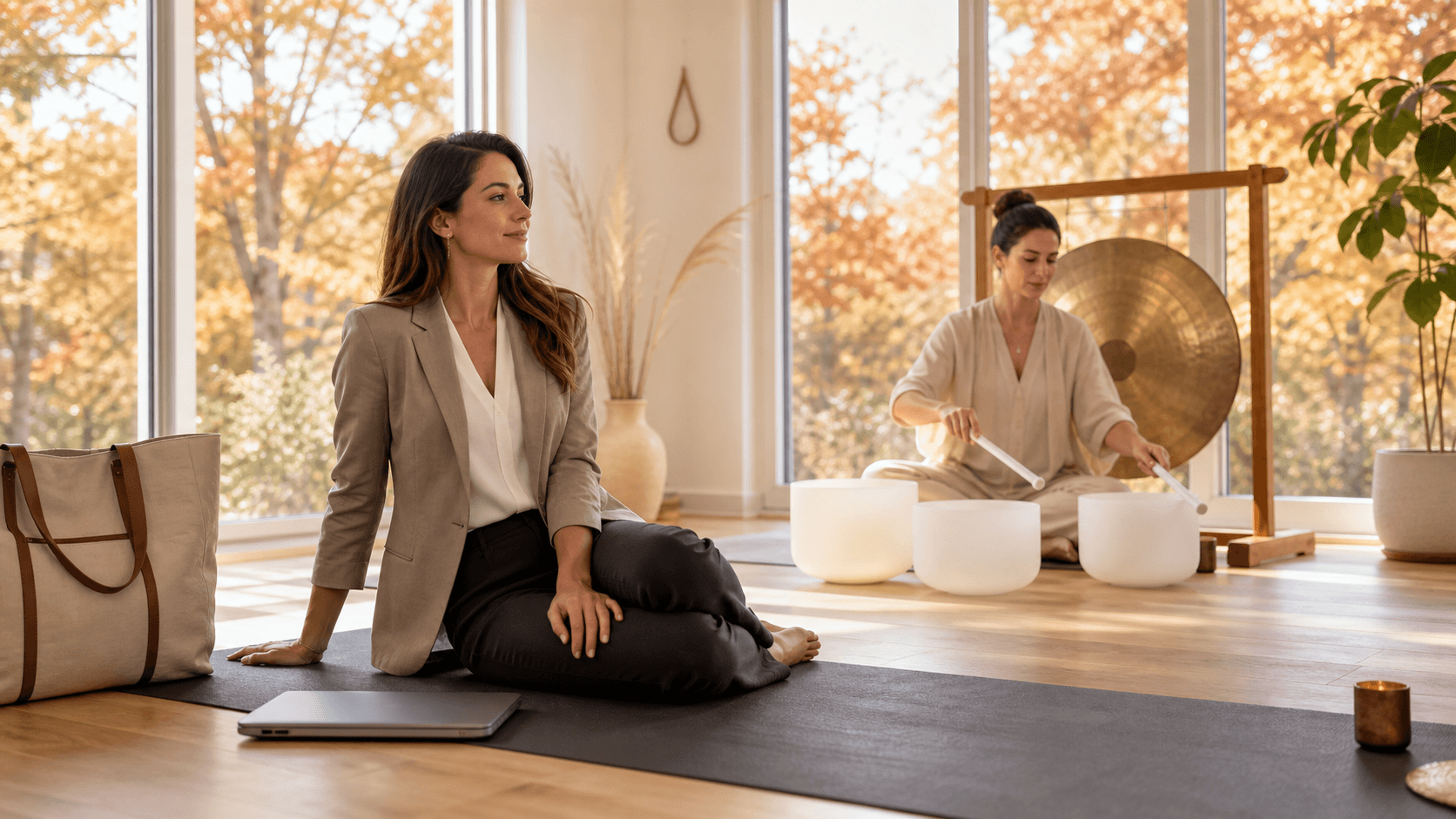
Active listening means noticing sound, breath, body sensations, and thoughts without trying to label them as good or bad. During the full days of autumn, when schedules can fill up and early holiday plans start calling for attention, a quiet pause can feel especially welcome. We'll explore how to listen closely during Himalayan singing bowl and gong experiences, then bring that same attentive mindset into everyday moments.
Active Listening Is More Than Hearing Sound
Hearing happens on its own. You may hear a car pass outside, a phone buzz, or music playing in another room without giving it much thought. Active listening is different. It asks you to place your attention on what you hear and stay curious about how the sound changes.
During a session, we may invite you to notice the full life of a tone. A bowl or gong sound has a beginning, a middle, and a gentle fading end. You do not need musical knowledge to listen this way. Simply notice what stands out.
You might listen for:
- The tone's volume, whether soft or full
- The way a sound rings, hums, or seems to overlap
- The moment one sound fades into silence
- Any change you notice as the sound continues
Active listening does not mean creating a perfect meditation. Thoughts can show up. Your attention may drift to tomorrow's plans or something on your to-do list. Certain sounds may feel more noticeable than others. None of this means you are doing anything wrong.
When you notice that your mind has wandered, we encourage a gentle return to what is happening right now. That may be the next tone, the quiet after it, or the feeling of your breath. Shifting attention away from notifications and outside demands can offer a grounded, mindful pause.
Follow Each Tone in a Sound Healing Meditation Class in NJ
A sound healing meditation class in NJ can offer a dedicated setting for careful listening. Himalayan singing bowls and gongs create warm, layered sounds that may rise, blend, change, and slowly settle. Rather than trying to take in everything at once, you can choose one small point of attention.
Start by following a single sound for as long as you can. Notice when it begins. Stay with it as it changes. Then pay attention to what you notice after it fades. Perhaps another tone becomes clearer. Perhaps you hear the room around you. Perhaps there is only stillness for a moment.
This simple practice can become a steady anchor:
- Choose one bowl or gong tone
- Follow it without trying to hold onto it
- Notice when your attention moves away
- Return to the next sound or the next breath
- Allow silence to be part of what you hear
Every person listens differently, and we make room for that. You may notice vibration, while someone else notices the rise and fall of their breath. Another person may become most aware of the quiet spaces between sounds. In our group, private individual, and couples experiences, there is no required response and no feeling you need to force.
Let Breath and Body Sensations Guide Awareness
Listening can include more than your ears. As Himalayan singing bowls and gongs are played, you can also notice what is happening in your body. Pay attention to the weight of your body against a mat or chair, the feeling of your hands resting, or the places where you feel relaxed, tense, warm, cool, or neutral.
Breath can be another helpful point of awareness. A long tone may naturally make an exhale feel slower. A quiet pause may make your next inhale easier to notice. There is no need to change your breathing pattern or make it match the sounds. The goal is observation, not control.
Comfort matters, too. If you need to adjust your position, use available supports, or take a quieter moment, that is part of active listening. We encourage you to stay aware of what feels supportive for you throughout the experience. Listening closely also means listening to your own comfort level.
Meet Wandering Thoughts with Gentle Curiosity
Many of us arrive with a busy mind. Work tasks, family responsibilities, weekend plans, and seasonal demands do not always disappear when a session begins. Thoughts may keep moving even while the room is quiet. Noticing that distraction is part of the practice.
Instead of criticizing yourself, try a small reset. Silently name what is happening by saying, "thinking" to yourself. Then return your attention to one sound, one breath, or the feeling of your body resting. You do not have to push the thought away. You only need to notice it and choose where to place your attention next.
Curiosity can make this feel kinder. Rather than deciding that a thought, emotion, or reaction is good or bad, ask yourself what you notice. Is your jaw tight? Is your mind planning ahead? Does a gong tone feel especially present? A curious attitude gives you room to be where you are, even during a full autumn season.
Make Mindful Listening Part of Your Autumn Reset
The listening practice can continue after your time with us in the Jersey City area. Before checking your phone in the morning, pause and notice the sounds around you. During a walk, listen to footsteps, wind, or distant voices. Between tasks, take three unhurried breaths and notice the silence around the breath.
A sound healing experience with Himalayan singing bowls and gongs can be a supportive place to practice this kind of attention. Yet mindful listening does not need to be complicated. Each time you pause, notice, and return to the present, you give yourself permission to simply listen.
Deepen Your Practice Through Shared Sound
At TSM Healing Center, we offer a welcoming space to continue building your mindful listening skills alongside others. Join a sound healing meditation class in NJ and experience the grounding tones of Himalayan singing bowls and gongs. If you have questions about an upcoming session, contact us and our team will be glad to help.