Relax Deeply, but Safely
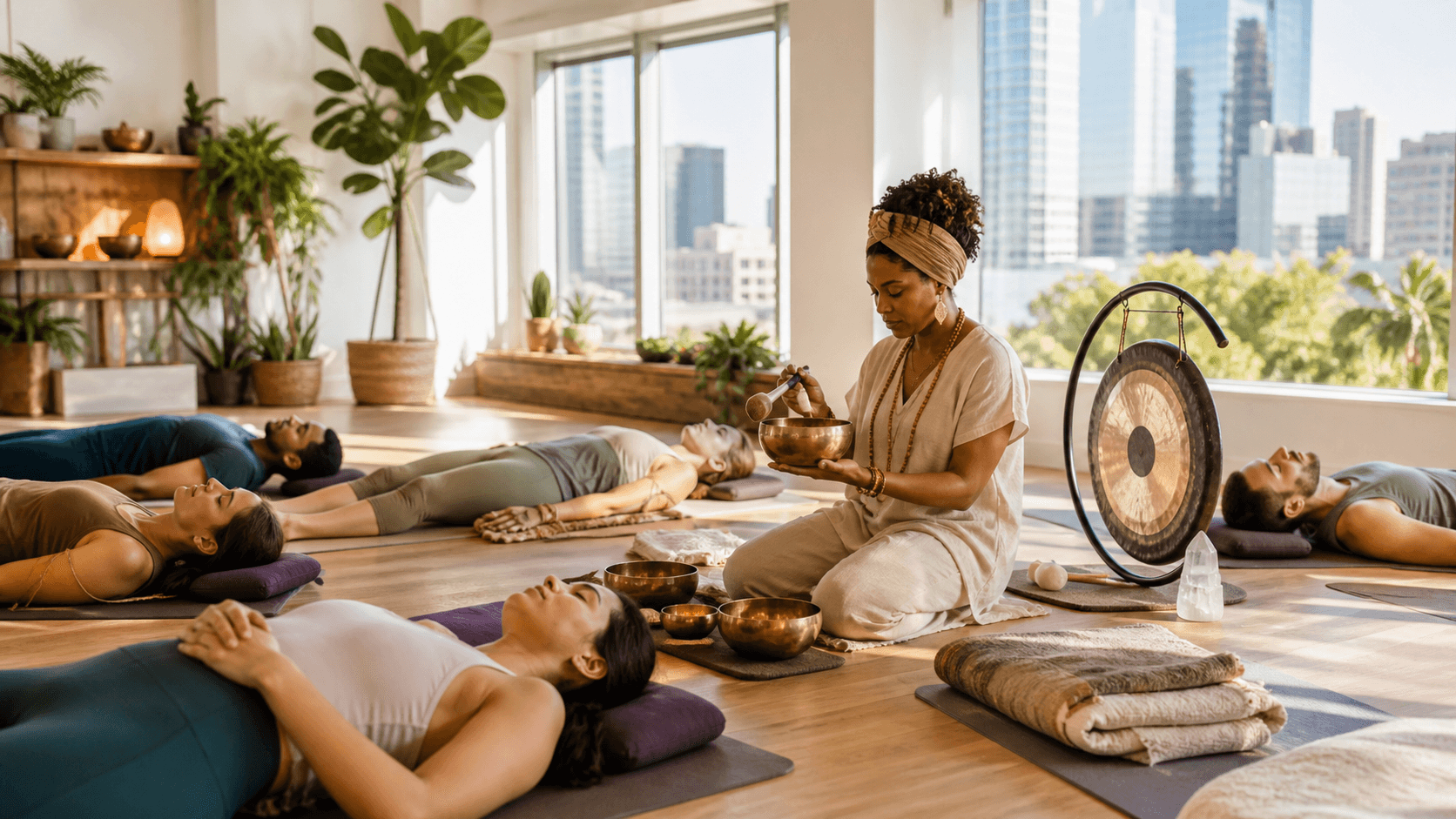
Relaxation sound therapy uses instruments like singing bowls, gongs, gentle chimes, and guided sound meditation to help the body and mind slow down. Many people in Jersey City turn to it for stress relief, sleep support, and help shifting out of constant "fight-or-flight." When it feels right, the experience can be deeply calming, like giving your nervous system a soft reset.
Still, sound healing is not one-size-fits-all. Most sessions are gentle and non-invasive, but some people do better with shorter sessions, quieter sounds, or certain instruments avoided. A few people may need to wait, get medical guidance first, or focus on very simple grounding practices instead.
Our goal with this guide is to help you understand when relaxation sound therapy in Jersey City might need extra care, and how a session can be shaped so your system feels safe, held, and not overwhelmed, especially when stress builds up toward the end of summer.
How Relaxation Sound Therapy Affects the Body and Mind
Sound is not just something we hear; it is also something the body feels. Slow, steady tones can invite your breath to lengthen and your muscles to soften. As the nervous system relaxes, many people notice their heart rate ease and their thoughts move a little slower.
Some sessions may also support gentle brainwave shifts. When you listen to repeating rhythms, your brain can sync with those patterns. This may:
- Make it easier to drop into a meditative or dreamy state
- Open space for emotions to surface and move
- Change your inner sense of time so an hour can feel much shorter
For many, this feels peaceful. For others, especially anyone with certain mental health or neurological conditions, that "drifty" feeling can be too much or even unsettling. That is why pacing, volume, and instrument choice matter.
Different formats also feel very different in the body:
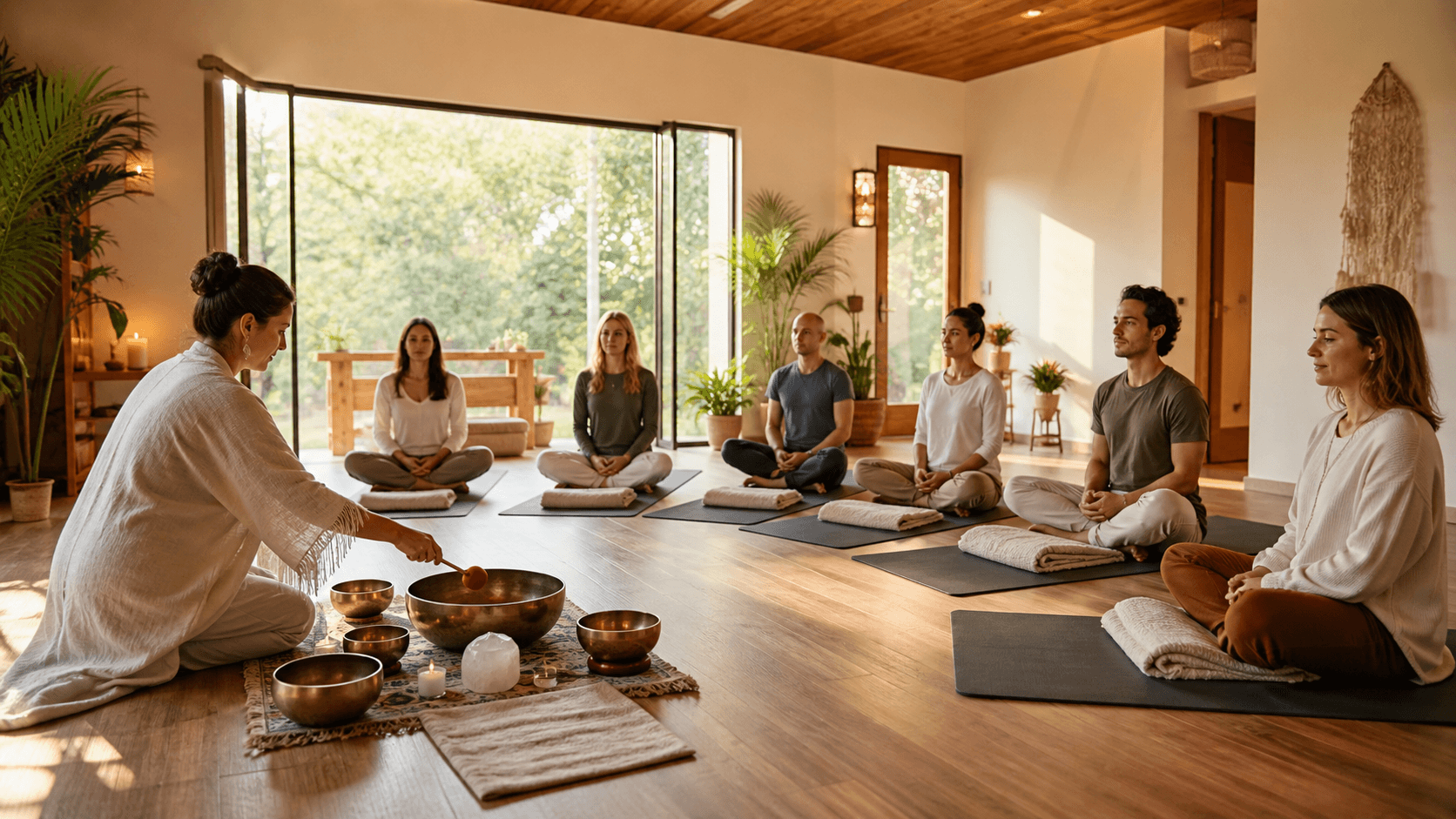
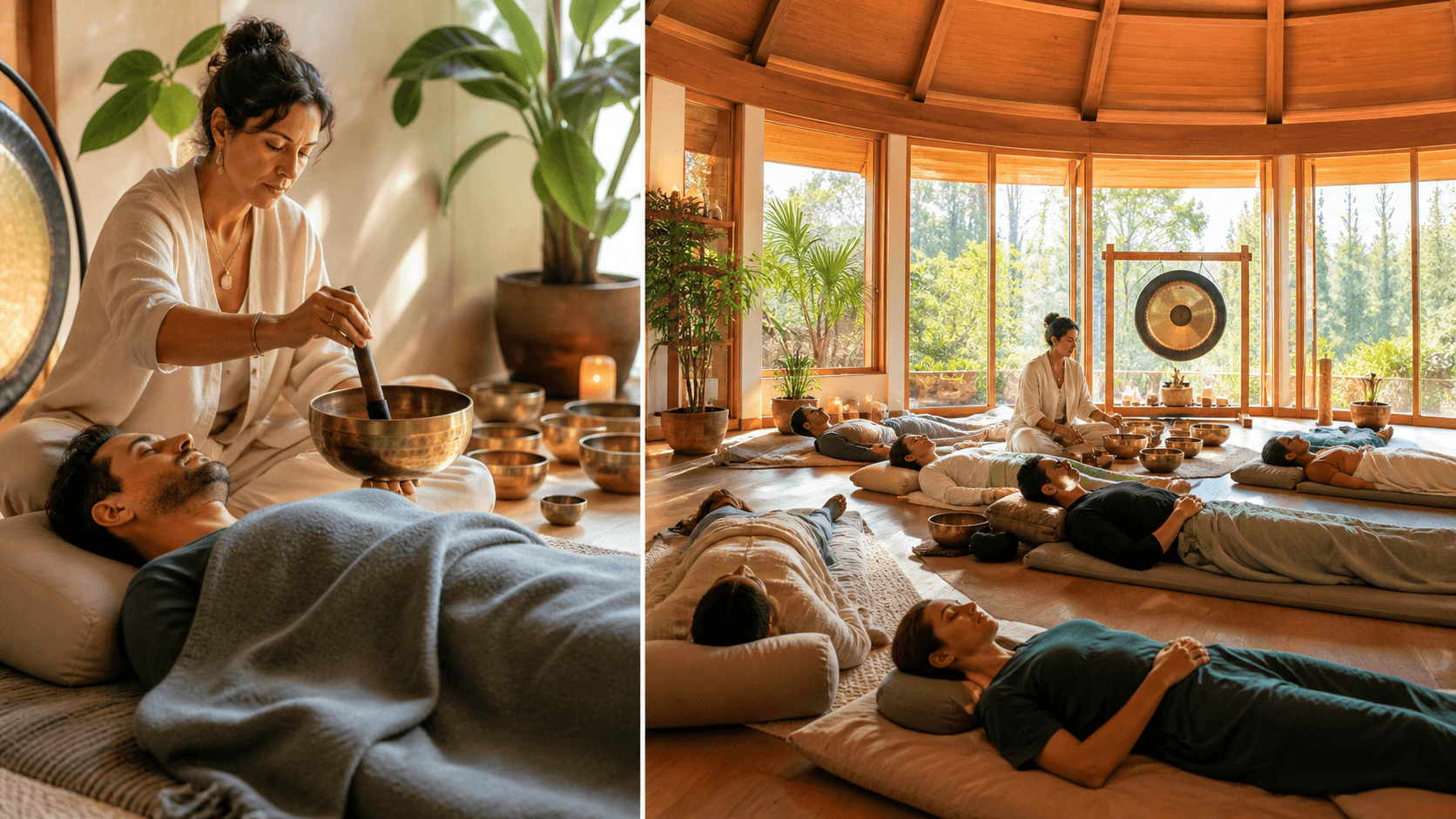
- Group sessions can feel rich and shared, but they may include stronger sounds, more people, and more energy in the room.
- Private sessions can be softer and slower, with more space to pause or speak up.
- Virtual sessions change how vibrations are felt in the body but can feel safer for anyone sensitive to in-person energy or city noise.
When to Be Cautious with Medical or Mental Health Concerns
Some health situations call for extra care, and sometimes for medical clearance before trying relaxation sound therapy.
Conditions that often need caution include:
- Uncontrolled epilepsy or seizure disorders
- Serious heart issues, like a recent heart attack or very high blood pressure that is not well managed
- Implanted devices such as pacemakers, cochlear implants, or certain metal implants
Deep vibrations and close-range instruments might not be a good match in these cases, and any changes to your wellness routine should be talked through with your medical provider.
Mental health also matters. Sound therapy can shift awareness in a way that is not right for everyone at every stage. Extra care is often wise if you are dealing with:
- Active psychosis
- Untreated bipolar mania
- Severe PTSD with frequent flashbacks
- Current substance intoxication
Closed-eye work, inner imagery, or feeling "floaty" may be destabilizing when symptoms are high. A simpler, more grounded approach, sometimes with eyes open, is usually safer.
Pregnancy calls for special attention too. Many expectant parents enjoy gentle sound, but:
- Deep, strong vibrations on or very close to the abdomen or pelvis are often avoided
- Shorter, softer sessions can feel better for the body
- Seated or semi-reclined positions may feel safer and more comfortable
It is always wise to check in with your prenatal provider and to tell your sound practitioner which trimester you are in and whether the pregnancy is considered high-risk.
Sound Sensitivities, Trauma, and Sensory Overload
Not all sound feels soothing. For some people, certain tones or volumes can be painful or overwhelming. You may want extra care if you live with:
- Tinnitus or ringing in the ears
- Hyperacusis or strong sensitivity to everyday sounds
- Migraines triggered by noise
- Sensory processing differences or autism-related sound overwhelm
Very loud gongs, sudden swells, or piercing high notes might be too much in these cases. Clear communication and careful pacing can turn a stressful session into a much more supportive one.
History of trauma or anxiety also shapes how sound feels. Darkness, sudden shifts in volume, or being asked to keep eyes closed can feel unsafe for some people. A trauma-informed approach means:
- You always have choice about your position and eye gaze
- You can pause, sit up, or step out if needed
- The facilitator checks in and explains what to expect
You might benefit from modifications instead of a full-strength session if you notice things like:
- Flinching or bracing at everyday sounds
- Headaches, dizziness, or "pressure" after concerts or yoga classes
- Feeling spaced-out or dissociated during relaxation practices
- Needing a long time to recover after time in loud, busy spaces
These are not signs that you are "too sensitive." They are signs your system needs a softer, slower approach.
How TSM Personalizes Relaxation Sound Therapy in Jersey City
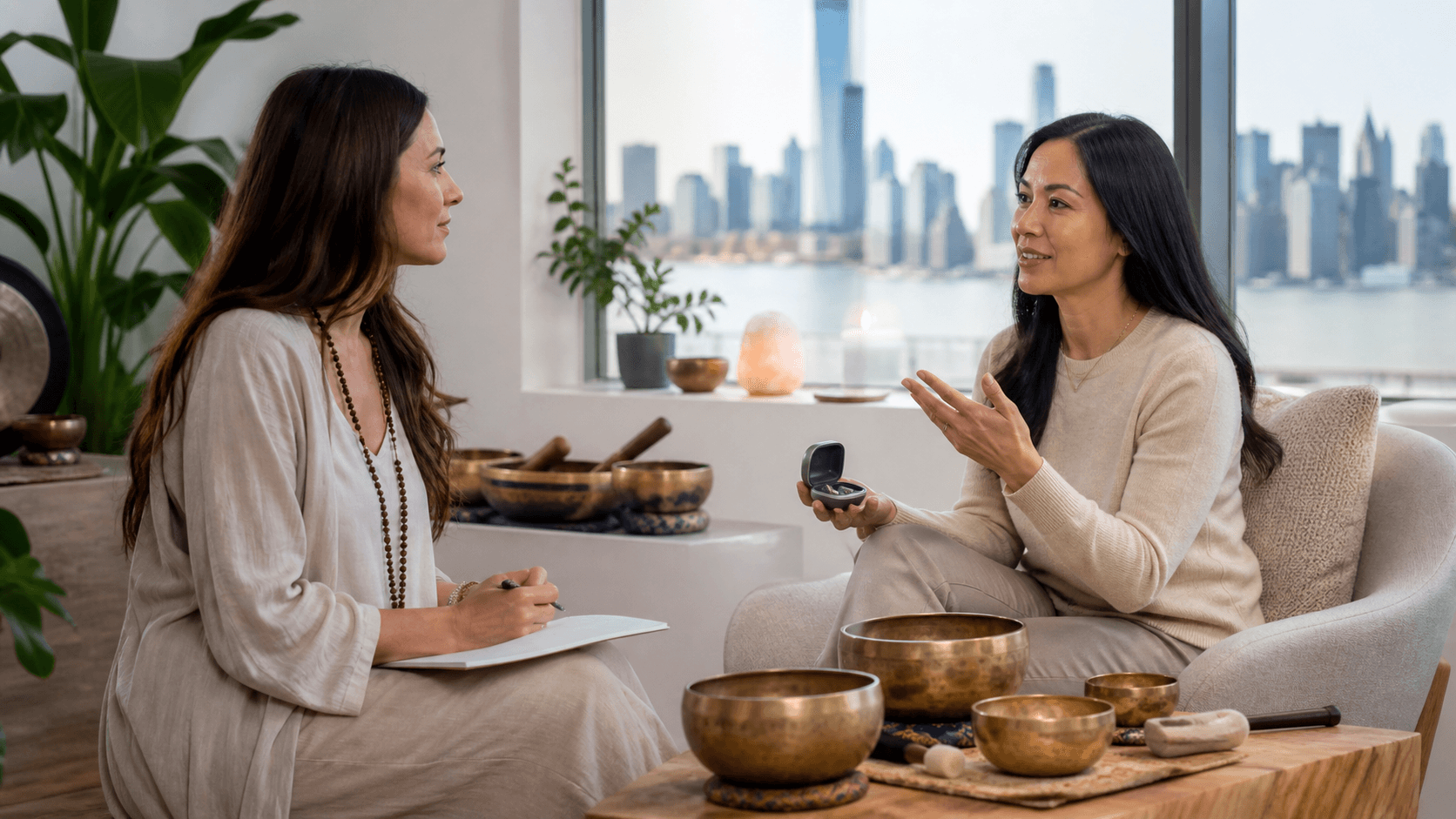
At TSM Healing Center, we take time before a session to learn about you. Our intake and conversations often include:
- Basic medical history and current treatments, as you feel comfortable sharing
- Mental health support you already have in place
- Your sensitivity to sound, light, touch, and temperature
- How stressed or tired you have been feeling lately
From there, we can shape the session so it feels kinder to your system. Some ways we adjust include:
- Choosing softer instruments like gentle singing bowls, chimes, or ocean drums
- Keeping volume on the mild side, especially during your first visit
- Shortening the session or building in mini grounding breaks
- Focusing on smooth, rhythmic sounds instead of deep, booming tones
Our Jersey City space is also set up with the city environment in mind. Late summer can be hot, bright, and noisy, so we pay attention to:
- Airflow, fans, and temperature so you do not overheat
- Softer lighting to ease eye strain
- Suggestions to wear loose, comfy clothing and to hydrate before and after
- Offering quieter evening options for anyone who gets worn out by daytime city activity
The focus is always on what feels safe and realistic for your body today, not on "pushing through" discomfort.
Making Group and Private Sessions Work for Your Needs
Group relaxation sound therapy in Jersey City can feel grounding through shared experience, while private sessions give more room for complex needs. As a general guide:
- Choose group sessions if you enjoy community energy and do not have strong sound sensitivities or complex health issues.
- Choose private sessions if you have implants, active medical concerns, trauma triggers, or simply want more space to talk and adjust in real time.
Clear communication helps us support you better. Helpful phrases you can use before or during a session include:
- "I have a pacemaker / cochlear implant / metal in my body, can we avoid instruments very close to that area?"
- "I am pregnant, can we keep sounds gentler and away from my belly?"
- "I get migraines, so please avoid very loud gongs or high-pitched tones."
- "I have a trauma history and feel safer with my eyes open, is that okay?"
- "If I feel overwhelmed, I may need to sit up or leave the room for a bit."
Simple self-care around your session can also make a big difference:
- Eat lightly beforehand, instead of arriving very hungry or very full
- Avoid heavy caffeine or alcohol close to session time
- Give yourself quiet time afterward, rather than rushing into busy plans
- Take a gentle walk, maybe by the waterfront, or write a few notes about how you feel
- Notice how your sleep, energy, and mood respond over the next few days
Choosing the Right Sound Experience for Your Nervous System
Having sensitivities or health concerns does not mean you must avoid relaxation sound therapy in Jersey City forever. It often means slowing down, asking good questions, and working with a facilitator who listens closely. When we treat your needs as important information instead of problems, the experience can become more grounded and steady.
If you live with serious medical or mental health conditions, it is usually wise to talk with your healthcare provider about what is safe for you. For many others, simple changes like softer volume, shorter sessions, or a private setting are enough to create a sense of ease. When we work together to understand your nervous system, sound can become a gentle ally in your well-being, not another thing your body has to push through.
Experience Deep Relaxation With Personalized Sound Therapy
Discover how targeted sound frequencies can help quiet your mind, release tension, and support your overall well-being with our relaxation sound therapy in Jersey City. At TSM Healing Center, we tailor each private session to your specific stress levels, goals, and sensitivities so you can get the most benefit from your time with us. If you have questions or want help choosing the right session, feel free to contact us today.